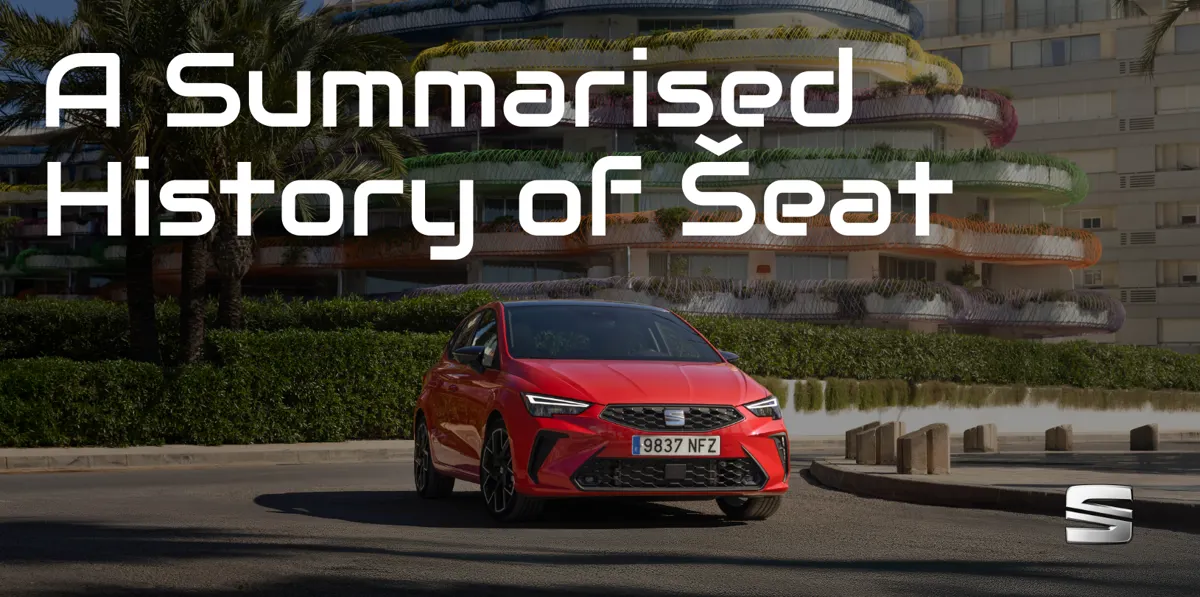

SEAT is one of Europe’s best-known car brands, recognised for producing stylish, practical vehicles that blend everyday usability with a sporty edge. For drivers considering SEAT leasing, understanding the brand’s background helps explain why its cars drive the way they do today.
In this guide, we explore the history of SEAT, covering when and where it was founded, key milestones along the way, and answering common questions about this established, revered brand. We’ll also highlight how the brand fits into the wider Volkswagen Group and what makes SEAT unique in today’s market.
When and where was SEAT founded?
SEAT, which stands forSociedad Española de Automóviles de Turismo, has its origins in Spain, the country with which it’s still indelibly linked. The company was created in 1950 as part of a Spanish government initiative to motorise the country after the Second World War, making car ownership more accessible to the public.
The brand’s first factory was established in the Zona Franca area of Barcelona, which remains central to SEAT’s identity to this day. Early on, SEAT worked under licence with Italian manufacturer Fiat, producing Spanish-built versions of popular Fiat models for the domestic market.
Early years: making motoring accessible
SEAT’s first production car, the SEAT 1400, rolled off the production line in 1953. However, it was the launch of the SEAT 600 in 1957 that truly changed the brand’s fortunes.
Often described as the car that put Spain on wheels, the SEAT 600 became a cultural icon. Affordable, compact and reliable, it allowed thousands of families to own a car for the first time and played a major role in modernising Spanish society. Throughout the 1960s and 1970s, SEAT expanded its range with models based on Fiat designs, steadily increasing production and exports as demand grew.
Becoming independent and looking outward
A major turning point came in the early 1980s, when SEAT ended its partnership with Fiat. This marked the beginning of a new chapter, as the brand sought technical partners to help it compete internationally.
In 1982, SEAT signed cooperation agreements with Volkswagen, gaining access to modern engines and platforms. This relationship proved transformative, laying the groundwork for SEAT’s future within one of the world’s largest automotive groups.
When did VW buy SEAT?
In 1986, Volkswagen Group acquired a majority stake in the company. By 1990, Volkswagen had taken full ownership. This acquisition brought significant investment, advanced engineering, and access to shared technology. While SEAT retained its Spanish identity, its cars began to benefit from the same underlying platforms and quality standards as other Volkswagen Group brands.
If you’re interested in how this compares with another VW Group brand, check out our History of SKODA blog.
Is SEAT now German?
Despite being owned by the Volkswagen Group, SEAT is not a German brand. SEAT remains a Spanish manufacturer, with its headquarters in Martorell, near Barcelona. Design, development and a large proportion of production continue to take place in Spain, giving SEAT a distinct character within the wider group.
Volkswagen ownership influences engineering and reliability, but SEAT’s styling, naming conventions and brand personality are deeply rooted in Spanish culture.
Where are SEAT cars made?
The answer depends on the model, but Spain plays a central role. SEAT’s main production facility is the Martorell plant, one of the most advanced car factories in Europe. Models such as the SEAT Ibiza and SEAT Arona are built here, alongside engines and components supplied to other Volkswagen Group brands.
Some SEAT models are also produced in other European factories within the Volkswagen Group network, including sites in the Czech Republic and Germany. However, Spain remains the heart of SEAT manufacturing and development.
The meaning behind SEAT model names
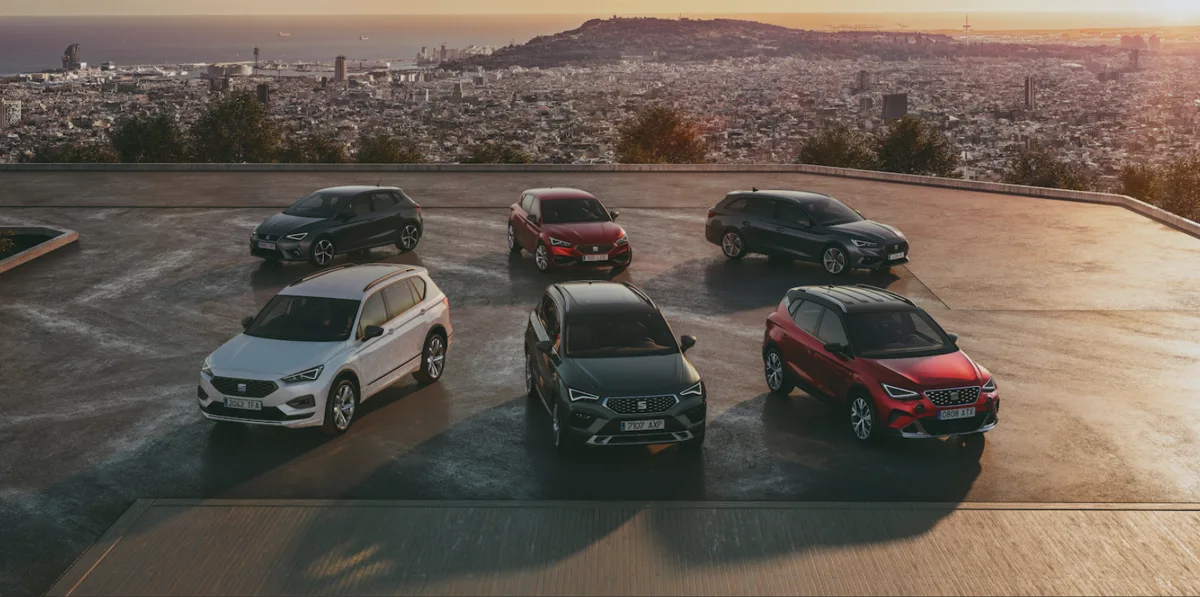
One of the most distinctive features of the brand is its approach to naming cars. Many SEAT models are named after Spanish towns, cities or regions, reinforcing the brand’s national identity.
Examples include:
- Ibiza: named after the Balearic island
- Leon: inspired by the historic city in north-west Spain
- Arona: a town in Tenerife
- Tarraco: the ancient Roman name for Tarragona
You can explore this in more detail in our dedicated article on the poetry of SEAT model names, revealing the inspiration behind the iconic models.
Performance and the birth of CUPRA
SEAT has long been associated with sportier driving dynamics compared with some of its rivals. This reputation was strengthened in the 1990s and 2000s through motorsport success, particularly in rallying and touring car championships.
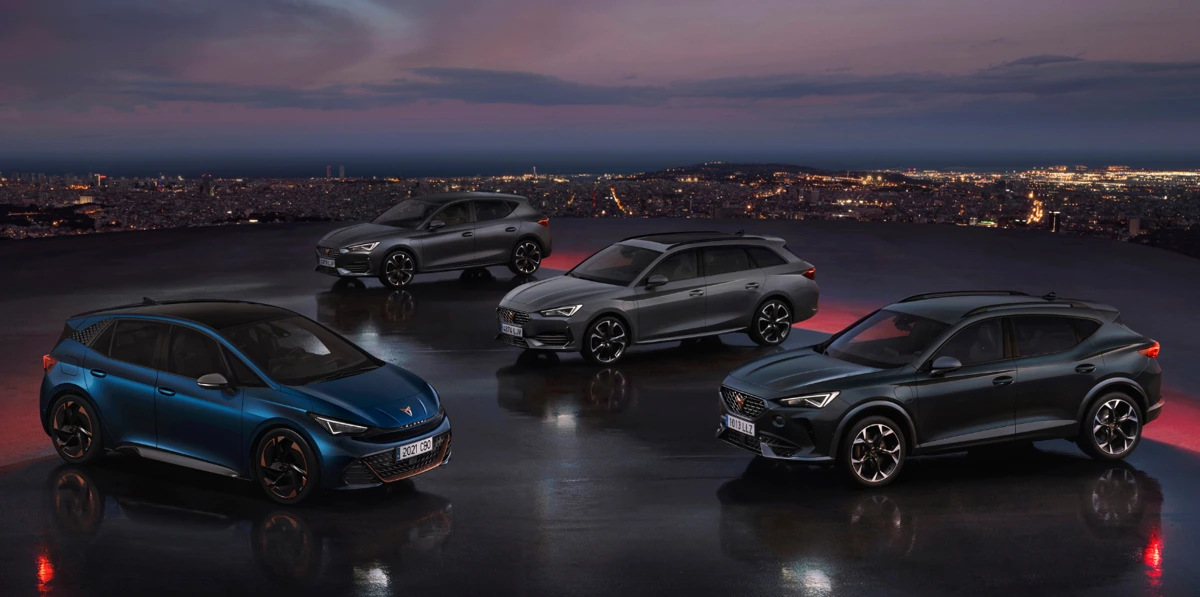
In 2018, SEAT took this performance focus a step further by launching CUPRA as a standalone brand. While CUPRA now operates independently, its roots are firmly embedded in SEAT’s racing heritage and design philosophy.
SEAT today: modern, efficient and connected
Today, SEAT offers a range of hatchbacks and SUVs designed to suit modern driving needs. The brand focuses on:
- Efficient petrol, diesel and hybrid engines
- Advanced safety and driver assistance systems
- Infotainment and connectivity tailored to everyday use
- A balance between value, style and driving enjoyment
These qualities make SEAT a popular choice for drivers looking for competitive car leasing options without compromising on quality or design. To explore the current range, visit our SEAT car leasing page for the latest offers and model information.
Why SEAT’s history still matters
Understanding SEAT’s history helps explain its position in the market today. Founded to mobilise a nation, shaped by decades of growth and transformation, and strengthened by Volkswagen Group ownership, SEAT blends Spanish character with German engineering standards.
For UK drivers, this means cars that feel distinctive yet dependable – a combination that continues to define the brand more than 70 years after it was founded. Whether you’re interested in the story behind the badge or are considering your next lease, SEAT’s journey from post-war Spain to a global automotive player is one worth following. And if you’re looking for more insights, head over to the rest of our blog.


