
The UK new car market is having a surprisingly strong 2026.
New figures show that 94,236 new cars joined Britain’s roads during August, an increase of 13.7 per cent compared with the same month last year and the strongest August since the introduction of the twice-yearly number plate change.
It was also the ninth consecutive month of growth for the new car market.
August is normally one of the quieter points in the motoring calendar, largely because many drivers hold off changing their car until the new September registration arrives. This year that meant waiting a few extra weeks for the new 76 plate.
Despite that, registrations continued to grow.
And when you look at what people are choosing, the UK car market is changing pretty quickly.
Electric, hybrid and plug-in hybrid cars together accounted for 57 per cent of all new registrations during August.
Battery electric cars alone took a 29.8 per cent share of the market, with 28,063 registered during the month. That was an increase of 27.7 per cent compared with August 2025.
Plug-in hybrids grew even faster, with registrations up 39.8 per cent year on year, while conventional hybrids increased by 26.3 per cent.
Petrol remained the largest individual fuel type, accounting for 38.3 per cent of new registrations during August, but volumes were actually 3.5 per cent lower than a year earlier.
Diesel now represents a much smaller part of the market, with a 4.8 per cent share during the month.
It means that, collectively, cars using some form of electrification comfortably outnumbered purely petrol or diesel models during August.
That doesn’t necessarily mean Britain has suddenly become an electric-only nation.
The Society of Motor Manufacturers and Traders points out that August is a relatively low-volume month, so shifts in registrations can have a bigger impact on market share. The 29.8 per cent share achieved by fully electric cars was also part of a seasonal increase that has appeared during August in recent years.
But look beyond a single month and the longer-term trend is still fairly clear.
Between January and August 2026, 355,746 new battery electric cars were registered in the UK, up 28.6 per cent on the same period last year.
They now account for 25.6 per cent of the new car market so far this year, compared with 21.9 per cent at the same stage of 2025.
Plug-in hybrids have grown by 37.9 per cent year to date too.
Add fully electric, plug-in hybrid and conventional hybrid cars together and they account for almost 53 per cent of all new cars registered during the first eight months of 2026.
That shift makes considerably more sense when you look at the cars now available.
The choice of electrified models has expanded rapidly. According to the SMMT, UK drivers can now choose from more than 170 zero emission models covering practically every part of the market.
Electric cars are no longer restricted to a handful of unusual-looking hatchbacks or expensive premium models.
There are small EVs designed primarily for town driving, electric family hatchbacks, SUVs, estates, executive cars and performance models, with ranges and charging speeds improving at the same time.
The list of Britain’s most popular electric cars in August demonstrates that variety.
The Tesla Model 3 was the month’s most registered fully electric car, followed by the Model Y. But the remainder of the top ten included everything from the Vauxhall Frontera and Renault 5 to the Mercedes-Benz CLA, Skoda Enyaq, Skoda Elroq, Kia EV3, Jaecoo E5 and Audi Q6 e-tron.
That is a considerably broader mix than the electric car market offered only a few years ago.
The overall bestseller list is changing too.
The Ford Puma continues to lead Britain’s new car market, with 35,968 registrations between January and August.
The Kia Sportage is second with 30,564, but one of the more interesting stories is sitting immediately behind it.
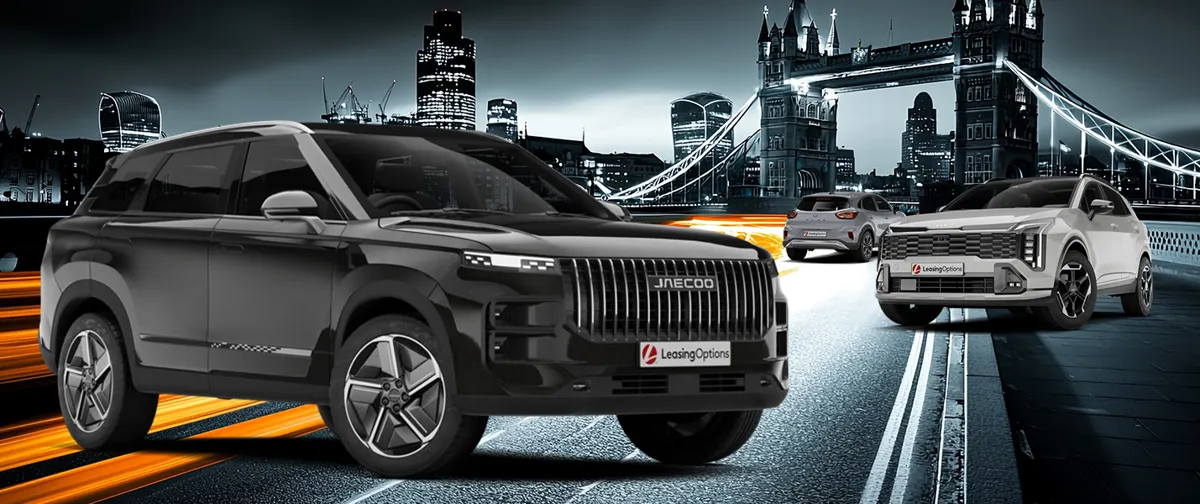
The Jaecoo 7 has reached third place for the year so far with 28,571 registrations, ahead of established names including the Nissan Qashqai, Vauxhall Corsa, Volkswagen Golf and MINI Cooper.
That rise reflects another significant change taking place in Britain’s car market.
Newer brands are becoming increasingly familiar sights on UK roads.
Autocar reported during August that Chinese manufacturers had taken almost a fifth of UK registrations during July, helped by brands including Jaecoo, Omoda and BYD and by strong demand for competitively equipped electrified cars.
For drivers, that growing competition ultimately means more choice.
Established manufacturers are introducing more electric and hybrid models at the same time as newer brands enter the UK with their own alternatives. That competition is spreading across everything from small cars to large family SUVs.
There are also signs that consumers themselves are becoming more confident about changing cars.
Private new car registrations rose by 19 per cent during August, considerably faster than the 10.1 per cent increase recorded by fleets.
Across the first eight months of the year, private registrations are now 12.5 per cent higher than they were during the same period in 2025.
That matters because the transition towards electric cars cannot be driven by company fleets alone.
More private drivers need to feel that an EV or hybrid makes sense for their lifestyle, whether that comes down to driving range, charging, running costs or simply finding a car they actually want.
There are still challenges.
The SMMT has warned that although electric car demand is growing strongly, the 25.6 per cent battery electric market share achieved during the first eight months of the year remains below the headline 33 per cent target under the Zero Emission Vehicle Mandate for 2026.
Cost and access to convenient charging also remain important considerations for many drivers.
But what the latest figures demonstrate is that the UK car market is no longer waiting for electrification to arrive.
It is already happening.
More than half of the new cars registered in August used some form of electrified powertrain, fully electric registrations continue to rise and the models appearing near the top of Britain’s sales charts are becoming increasingly varied.
At the same time, the overall market is growing.
A total of 1,388,735 new cars were registered in the UK between January and August, 9.8 per cent more than during the same period last year.
September will now provide the next big test.
The arrival of the new 76 registration traditionally makes it one of the most important months of the year for new cars, meaning the figures released in October should give an even clearer picture of what British drivers are choosing in 2026.
But if August is anything to go by, one thing already looks certain.
The cars appearing on Britain’s roads are changing fast.
Whether you are considering petrol, hybrid, plug-in hybrid or fully electric, explore the latest car leasing deals from Leasing Options and find the option that works for you.


